

Trying functional mushrooms can feel like walking into a new health trend with lots of choices. If you’re thinking about adding daily mushroom gummies to your routine, you may be hoping for more balance, energy, focus, or calm in an easy, tasty form.
These are dietary supplements made to give you concentrated mushroom compounds without the strong taste or prep work of powders and teas.
Before you start, it helps to know what these gummies are, what they may do, and what to watch for so you can pick a good product and use it safely.
What Are Daily Mushroom Gummies?
Mushroom gummies are a popular way to take functional mushrooms. Instead of using mushrooms as food, these products use concentrated extracts from certain mushroom types linked to wellness benefits. Gummies give you a chewable, pre-measured serving, so taking them can be simple and consistent.
Which Mushrooms Are Most Commonly Used in Gummies?
Many mushroom gummies use a few well-known types that have a long history of traditional use and have also been studied in modern research. Lion’s Mane, Reishi, and Cordyceps are some of the most common.
Other varieties you may see include:
- Chaga
- Turkey Tail
- Maitake
- Shiitake
- Royal Sun
- White Button
Each mushroom has different natural compounds, so formulas can be aimed at different goals, like brain support or immune support.
What Ingredients and Forms Are Found in Daily Mushroom Gummies?
All mushroom gummies include some form of mushroom extract. Many high-quality options use extracts from the mushroom fruiting body (the part you’d recognize as a mushroom). This part often has more of the key compounds compared to mycelium (the root-like network).
To turn extracts into a gummy, brands usually add ingredients like:
- Gelling agents: pectin (often vegan) or gelatin
- Sweeteners: cane sugar, agave, tapioca syrup, fruit juice concentrate, or sugar-free options like stevia or monk fruit
- Flavors: usually fruit flavors to cover the earthy taste
- Acids: citric acid or malic acid for taste and shelf stability
Some formulas also add other wellness ingredients, such as:
- Adaptogens: like ashwagandha
- Other compounds: like L-theanine or ginseng
How Do Mushroom Gummies Differ from Other Mushroom Supplements?
The biggest difference is ease of use. Gummies are pre-measured, chewable, and don’t need water or mixing. This can be helpful if you don’t like swallowing capsules or dealing with the taste of powders.
Here’s a simple comparison:
| Form | What it’s like | Main trade-offs |
| Gummies | Chewable, pre-dosed, usually flavored | Often more added ingredients (like sugar); may have lower mushroom dose per serving |
| Capsules | Swallow with water; usually simple ingredient list | Not great for people who dislike pills |
| Powders | Mix into coffee, smoothies, or food | Need measuring; stronger mushroom taste |
| Tinctures | Liquid drops (often under the tongue) | Strong earthy taste; can be harder to measure consistently |
Mushroom gummies are also often made for specific goals (like calm or focus), which makes them different from basic vitamin gummies that mainly cover nutrient gaps.
Types of Mushroom Gummies and Their Uses
Different mushrooms are linked to different effects. Knowing the basics can help you choose a gummy that matches what you want.
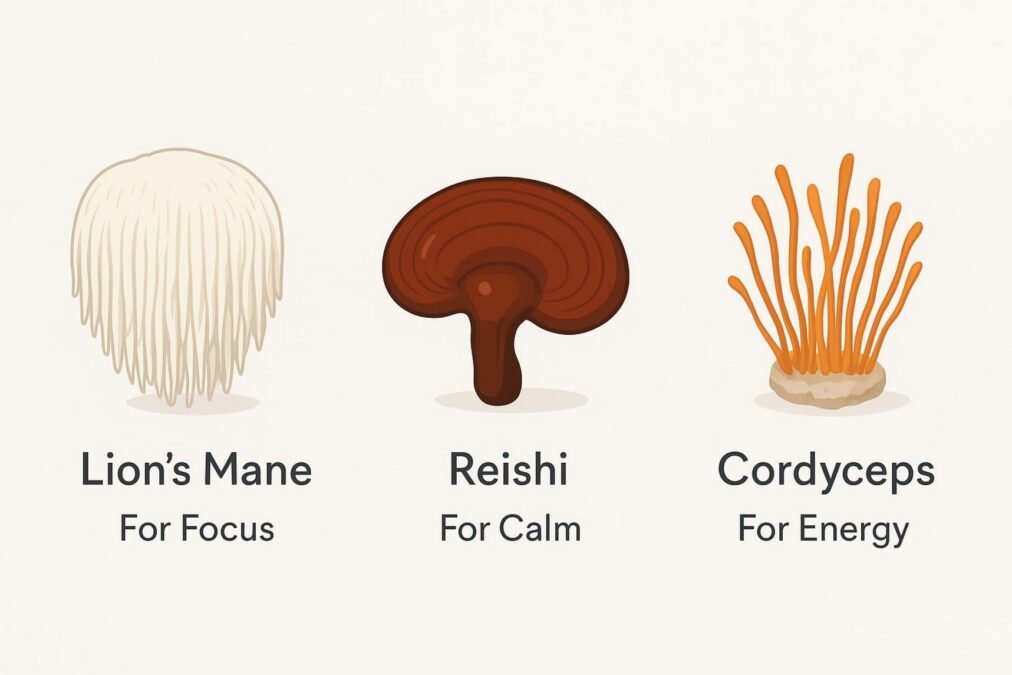
Lion’s Mane: Cognitive and Focus Benefits
Lion’s Mane is often used for brain and focus support. Research looks at compounds that may support nerve growth factor (NGF), which is involved in brain and nerve health. People often choose Lion’s Mane gummies for memory, concentration, and mental clarity. Many take them earlier in the day for a more alert feeling without caffeine jitters.
Reishi: Relaxation and Stress Relief
Reishi is known for its calming and stress support role. It is often described as an adaptogen, meaning it may help your body handle stress better. Reishi gummies are popular with people who want to feel more balanced, less tense, or more relaxed during a busy day. Some people use Reishi in the evening as part of a wind-down routine.
Cordyceps: Energy and Athletic Support
Cordyceps is commonly used for energy, stamina, and fatigue support. Some research suggests it may help the body use oxygen more effectively, which is one reason athletes and active people like it. Cordyceps is also often called an adaptogen, since it may support the body during physical and mental stress. Traditional use also includes support for vitality and libido.
Other Common Varieties and Their Effects
Other mushrooms show up in many blends:
- Chaga: high in antioxidants; studied for inflammation and immune-related effects, with some animal research on blood sugar and LDL cholesterol
- Turkey Tail: rich in polysaccharides; often used for immune support
- Maitake and Shiitake: often used for general wellness and immune health, plus nutrients found in whole foods
Psilocybin-Free vs. Psychedelic Gummies: What’s the Difference?
This point matters a lot. Functional mushroom gummies (like Lion’s Mane, Reishi, and Cordyceps) are psilocybin-free. They do not cause hallucinations or a “high.” They are meant for everyday wellness support.
But some products marketed as “mushroom gummies” are different:
- Some contain Amanita muscaria extracts or unclear blends that can cause sedation, confusion, nausea, or dissociation. These effects are not the same as psilocybin.
- True psilocybin gummies (from “magic mushrooms”) are federally illegal in most of the U.S., with only limited legal use in specific regulated settings.
Always read labels carefully so you know exactly what you’re buying.
Potential Benefits of Taking Mushroom Gummies Daily
Many people take functional mushrooms daily because the effects are often gradual. Some benefits may show up over time with steady use.
Immune Support
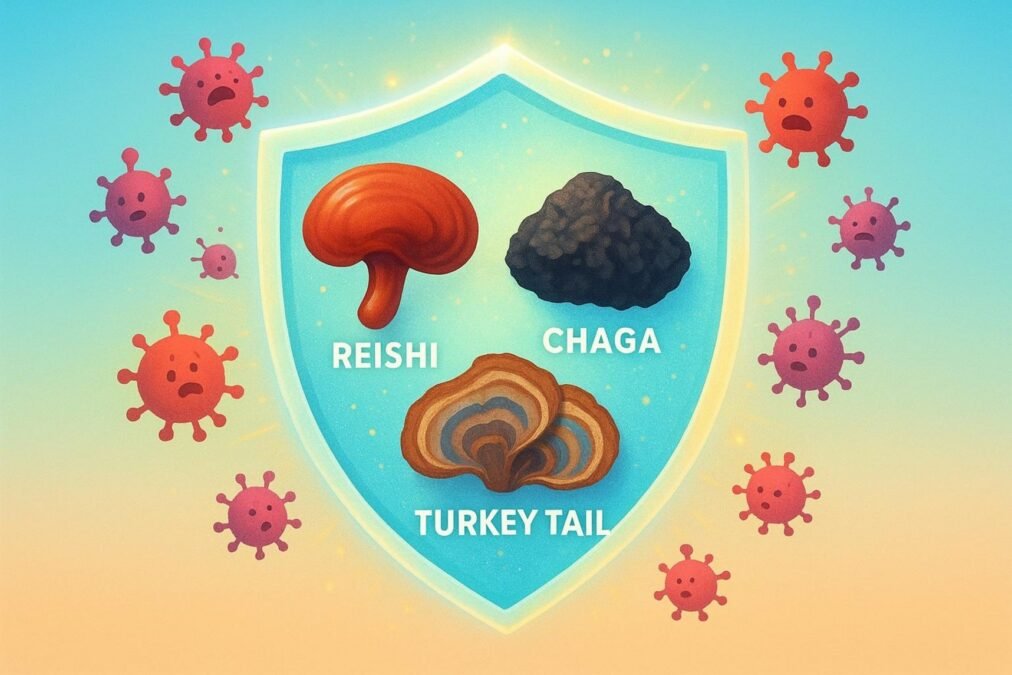
Mushrooms like Reishi, Chaga, and Turkey Tail contain compounds such as beta-D-glucans, triterpenoids, and ergosterol. These can affect immune activity by supporting how immune cells respond. Many people use them to support immune balance and resilience.
Cognitive Function and Mental Clarity
Lion’s Mane is commonly used for brain support. Compounds like erinacines and hericenones have been studied for their link to nerve growth factor (NGF). This may connect to benefits like better focus, memory, and day-to-day mental clarity.
Energy, Stamina, and Physical Performance
Cordyceps is often used to support energy and reduce fatigue, sometimes linked to oxygen use and endurance. People who want steady energy without stimulants often choose Cordyceps-based gummies.
Stress Reduction and Mood Balance
Reishi (and sometimes Cordyceps) is often used for stress support. Adaptogens may help the body respond to stress in a more stable way. Lion’s Mane has also been studied for possible mood support, including anxiety and depression symptoms in some research.
Antioxidant and Anti-Inflammatory Properties
Several functional mushrooms contain antioxidants that help with oxidative stress from free radicals. Some also show anti-inflammatory activity. Together, these effects may support long-term cell health and general wellness.
Risks, Side Effects, and Precautions
Functional mushroom gummies are usually safe for many adults, but side effects and risks can happen, especially with low-quality products or certain health conditions.
Possible Allergic Reactions and Digestive Issues
Some people may have mild side effects, especially at the start. Possible issues include:
- Gas, bloating, or diarrhea
- Stomach irritation with certain mushroom types
Allergic reactions are less common but can be serious. Watch for:
- Hives or itching
- Swelling
- Trouble breathing
Stop use and get medical help right away if allergy symptoms show up. Also check the full ingredient list for other allergens (sweeteners, colors, pectin/gelatin).
Common Medication Interactions
Talk with a healthcare provider before using mushroom gummies if you take medications. Examples of possible interactions include:
- Reishi: may affect blood clotting, which matters if you take blood thinners
- Cordyceps and Chaga: may affect blood sugar, which matters with insulin or diabetes meds
- Amanita muscaria products: can act on GABA receptors and may be risky with alcohol, sedatives, or other drugs that slow the nervous system
Mixing unregulated mushroom products with psychiatric medications can also be risky because effects may be hard to predict.
Who Should Avoid Daily Mushroom Gummies?
Be extra careful or avoid them if you:
- Have a mushroom allergy
- Take immunosuppressants, blood thinners, or diabetes medication (talk to a doctor first)
- Have certain mental health conditions or a history of substance misuse (especially avoid products with unclear ingredients or psychoactive effects)
Stop using the product if you have ongoing stomach problems or other concerning symptoms and speak with a medical professional.
Are Mushroom Gummies Safe for Children and Pregnant Women?
Research is limited for children and for pregnant or breastfeeding people, especially with gummy supplements. Because safety data is not strong here, many healthcare professionals suggest avoiding these products unless your doctor specifically says they are okay. Gummies may also add extra sugar, and there isn’t much child-specific research on dosing.
Legal Considerations for Mushroom Gummies
Laws depend on what type of mushroom is in the product. Functional mushrooms and psychoactive mushrooms are treated very differently.
Do Mushroom Gummies Contain Psilocybin or Psychoactive Ingredients?
Most “wellness” mushroom gummies sold in regular stores do not contain psilocybin. Functional mushrooms like Lion’s Mane, Reishi, and Cordyceps are non-psychoactive and legal.
Still, some products may include Amanita muscaria or unclear blends that can cause mind-altering effects (often more sedating than psychedelic). These products are often sold legally but are less regulated, and there have been poison control reports linked to similar items. True psilocybin gummies are federally illegal in most of the U.S. and are usually only found in illegal markets or limited regulated programs.
Are Non-Psychedelic Mushroom Gummies Legal in Your Area?
In most cases, functional mushroom gummies made from non-psychoactive mushrooms are legal across the U.S. They are sold as dietary supplements, like many herbal products.
State-to-State Regulation Differences
Rules can change fast for products that contain psilocybin or other psychoactive mushrooms. Some places have decriminalized psilocybin or set up limited regulated programs, but it remains illegal at the federal level. Amanita muscaria products may also have different rules depending on the state, and even if they are legal, legality does not mean the product is safe or well-tested.
How to Choose Quality Mushroom Gummies
Quality varies a lot. Labels and testing matter because supplements are not checked like prescription drugs before being sold.
What to Look for on Labels and Ingredient Lists
Use the label as your main tool. Look for:
- Mushroom source: fruiting body is often preferred over mycelium
- Clear mushroom names: the product should list the exact species
- Fewer extras: avoid lots of artificial colors, flavors, and fillers
- Extraction method: hot water extraction is common and often used to pull out certain helpful compounds
Dosage and Recommended Daily Intake
Many products suggest 1-3 gummies per day, but it depends on the brand. Check the “Supplement Facts” panel.
Also note: gummies often provide less mushroom extract per serving than powders or capsules. Gummies may be around 250 mg to 500 mg per serving, while powders/capsules can reach 900 mg to 5,000 mg. If you’re trying to match amounts used in some studies (often 1,000 mg to 3,000 mg), you might need more gummies, which can also mean more sugar.
The Importance of Third-Party Testing
Third-party testing is one of the strongest signs of a trustworthy brand. An outside lab can check:
- That the ingredients match the label
- Potency (how much active material is actually there)
- Contaminants like heavy metals, pesticides, or mold
Many brands share results through a QR code or a website link.
Brand Reputation and Transparency
A reliable brand clearly explains where the mushrooms come from, how they are extracted, and how the product is made. Be cautious with products that use vague “proprietary blends” or make big promises without evidence.
Sugar Content and Dietary Considerations (Vegan, Gluten-Free, etc.)
Gummies often contain added sugar for taste. Many gummy supplements have about 2 to 8 grams of sugar per serving, and this can add up if you take multiple gummies a day.
If you want to limit sugar, look for products using stevia or monk fruit, or other low-sugar options. Also check labels for:
- Vegan: often made with pectin instead of gelatin
- Gluten-free: no wheat-based ingredients
Tips for Incorporating Mushroom Gummies into Your Daily Routine
Once you have a quality product, using it in a steady, simple way can help you get the best results.
How to Start: Dosage and Consistency
Start with the serving size on the label (often 1-2 gummies daily). Don’t take extra right away. Functional mushrooms, like those in Circle Organics gummies, often work slowly, and some people notice small changes in the first week, clearer changes in weeks two and three, and more noticeable results after about a month.
Pairing Mushroom Gummies With a Healthy Lifestyle
Gummies are supplements, not a replacement for basic health habits. They work best alongside:
- Whole, balanced meals
- Regular movement or exercise
- Enough sleep
- Stress management (like time outside, breath work, or therapy)
Best Times to Take Mushroom Gummies
Timing depends on the mushroom:
- Lion’s Mane or Cordyceps: often taken in the morning or early afternoon for focus/energy support
- Reishi: often taken later in the day or in the evening for calm support
Many people take them at the same time as other daily supplements to make it a habit.
How to Store Mushroom Gummies for Maximum Freshness
Store gummies in a cool, dry place away from heat and direct sunlight. Keep the lid tightly closed to reduce air and moisture exposure. Most gummies last about 12 to 24 months when stored well. Follow the expiration date, since taste and potency can drop over time.
Should You Add Daily Mushroom Gummies to Your Wellness Routine?
Whether daily mushroom gummies are a good fit depends on your goals and your health situation. They can be an easy way to try functional mushrooms, especially if you dislike powders or pills. They may support focus, calm, energy, and immune health, depending on the mushrooms used.
At the same time, you need to shop carefully. Look for clear labels, fruiting body extracts, and third-party testing. Keep an eye on sugar, and remember that gummies can be lower dose than capsules or powders. It also matters to avoid products that contain Amanita muscaria or hidden psychoactive blends if you only want functional, psilocybin-free mushrooms.
Mushroom gummies work best as a small part of a bigger health plan, not as a replacement for food, sleep, movement, or medical care. If you’re pregnant, breastfeeding, have a medical condition, or take prescription medication, talk with a healthcare provider before making them a daily habit.
Frequently Asked Questions About Daily Mushroom Gummies
Can You Travel With Mushroom Gummies?
Yes, in most cases you can travel with non-psychoactive functional mushroom gummies within the U.S. Keep them in the original container so the label is easy to show if needed. Since they are treated like dietary supplements, they are usually simple to pack.
How Long Do the Effects of Mushroom Gummies Last?
Functional mushroom gummies usually don’t feel like a fast “on/off” product. Many people notice changes slowly with daily use. Some feel mild effects in the first week, clearer patterns after a few weeks, and stronger results after about a month.
If a product contains psychoactive compounds like Amanita muscaria, effects may start within 30-90 minutes and last around 4-8 hours, with possible lingering tiredness or brain fog.
Where Can You Buy High-Quality Mushroom Gummies?
You can find functional mushroom gummies online and in health stores. Focus on brands that:
- List the exact mushroom species
- Prefer fruiting body extracts
- Share third-party lab testing results
- Avoid exaggerated claims
Do Mushroom Gummies Really Work?
Research supports benefits of many functional mushrooms, but there is less research specifically on gummies as a delivery form. Gummies can still work if they contain strong extracts at meaningful amounts and you take them consistently. Results depend on the extract quality, the dose, your body, and how steady you are with use. Lower-dose gummies or products with lots of sugar may lead to weaker results than people expect.