Modern dentistry increasingly recognises that successful oral healthcare begins long before a procedure takes place.
Understanding a patient’s dental history, lifestyle, concerns and expectations can be just as important as identifying a clinical problem. For people searching for a dentist in Umm Suqeim 2, the quality of the initial assessment and the clarity of the proposed treatment plan are therefore important considerations. At Dental Studio Al Wasl, part of the Dental Studio group in Dubai, personalised treatment planning reflects an approach centred on careful diagnosis, informed decisions and the preservation of long-term oral health.
Why Is Personalised Dental Treatment Planning Important?
No two patients have exactly the same dental needs. Even when individuals present with similar symptoms, the underlying causes, condition of their teeth and appropriate treatment options may differ considerably. Personalised dental planning considers these individual characteristics rather than applying the same clinical solution to every situation.
A patient experiencing tooth sensitivity, for example, may have enamel erosion, exposed root surfaces, tooth decay or another condition requiring investigation. Each possibility involves different clinical considerations. Identifying the underlying cause before recommending treatment helps avoid unnecessary procedures and supports decisions based on the patient’s actual oral health.
Personalisation also involves understanding practical circumstances. Previous dental experiences, medical conditions, treatment preferences and the ability to maintain oral hygiene can influence the suitability of a proposed procedure. A carefully developed plan should therefore consider both immediate clinical requirements and the patient’s longer-term needs.
What Happens During a Comprehensive Dental Assessment?
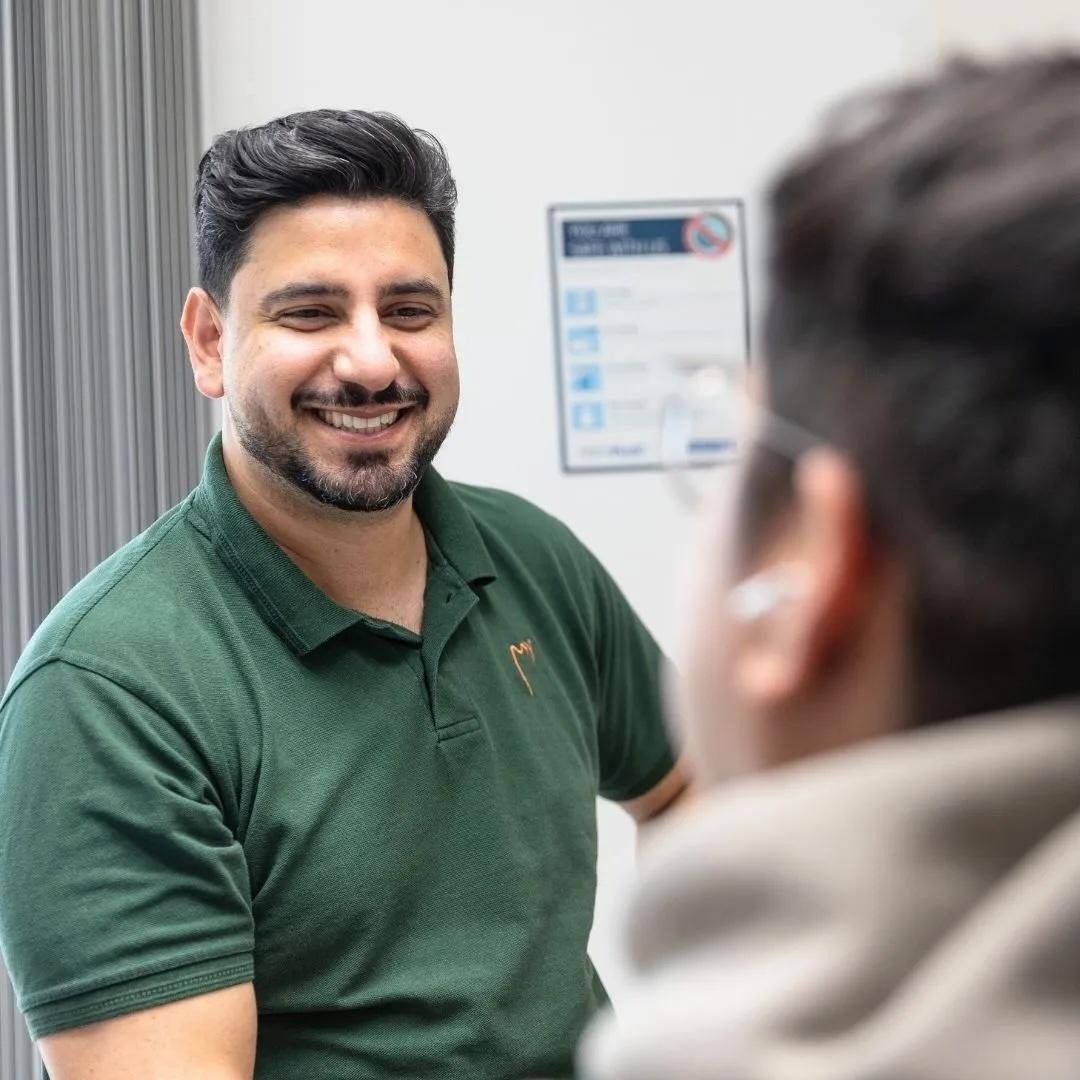
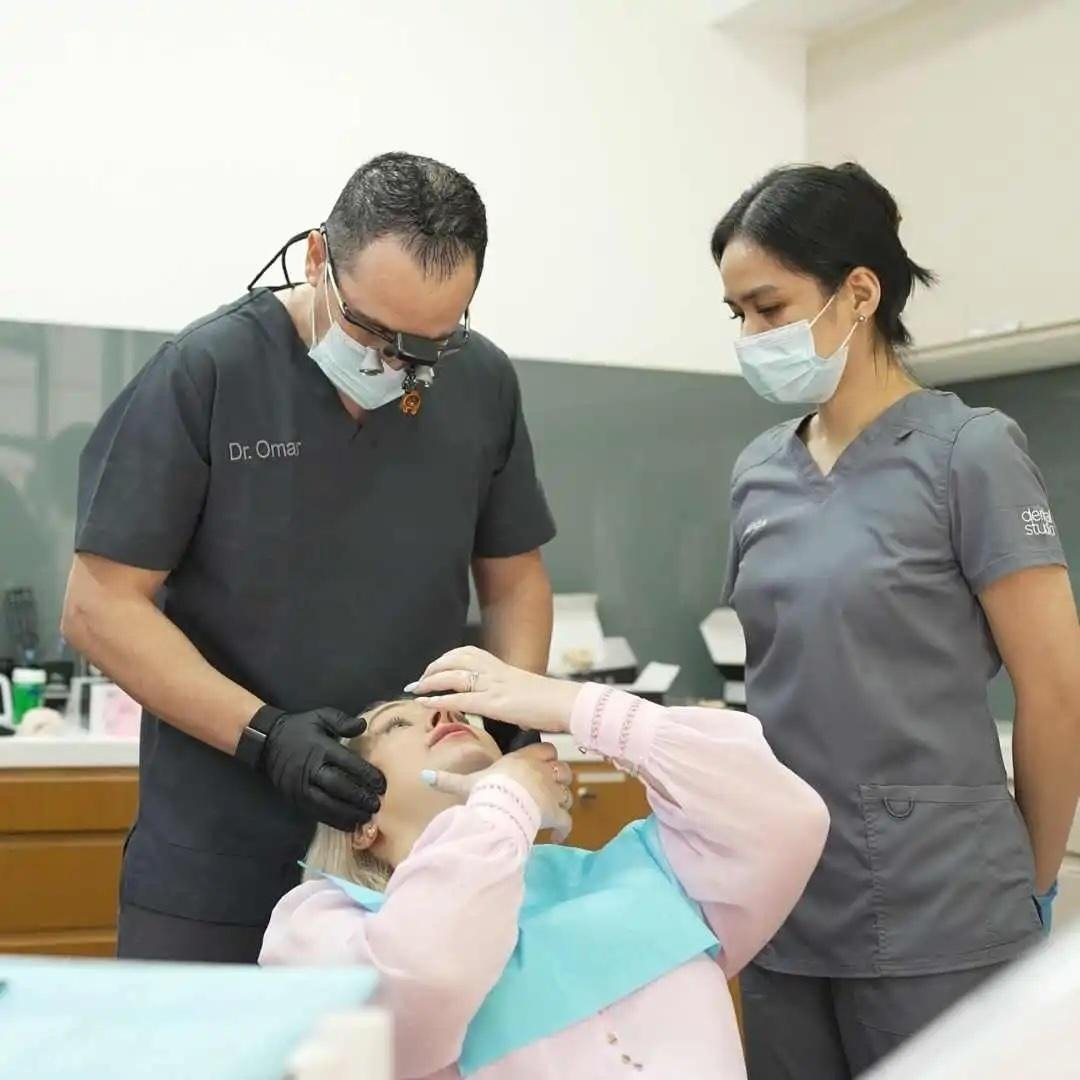
A comprehensive assessment generally begins with a discussion of the patient’s concerns, dental history and relevant medical information. The dentist then examines the teeth, gums, existing restorations and surrounding oral structures. Depending on the symptoms and clinical findings, diagnostic imaging or additional examinations may be appropriate.
The objective is not simply to identify visible problems. Dental professionals also assess factors that could influence future oral health, including plaque accumulation, gum inflammation, tooth wear and the relationship between the upper and lower teeth. These observations help establish a more complete understanding of the patient’s condition.
At Dental Studio Al Wasl, the clinical approach described by the practice emphasises listening before recommending treatment. The clinic combines professional assessment with digital diagnostic resources when appropriate, allowing practitioners to investigate dental concerns and explain the findings before discussing possible interventions.
How Does a Dentist in Umm Suqeim 2 Use Digital Technology for Treatment Planning?
Digital technology can support dental diagnosis by providing information that may be difficult to obtain through visual examination alone. Intraoral scanning, for instance, creates digital representations of the teeth and surrounding structures. These records can assist with planning selected restorative and orthodontic procedures while helping patients understand their existing dental condition.
At Dental Studio Al Wasl, available technologies include intraoral scanning, digital smile planning and three-dimensional dental imaging. Their relevance depends on the clinical situation rather than their availability alone. A routine examination may require relatively straightforward diagnostic methods, while complex restorative cases can benefit from more detailed investigations.
For patients considering extensive dental treatment, digital records may also support communication between different clinicians. They can help document the initial condition, assess possible treatment approaches and explain proposed changes. However, technology does not replace clinical judgement: its value depends on appropriate use, accurate interpretation and a clear understanding of the patient’s needs.
Why Should Dental Treatment Options Be Explained Before a Decision?
Informed consent is an essential part of responsible dental care. Patients should understand why a particular treatment is being recommended, what it involves and which alternatives may be available. Clear communication about benefits, limitations and potential risks allows individuals to participate meaningfully in decisions affecting their oral health.
This becomes particularly important when several treatment approaches could address the same concern. A damaged tooth, for example, might be managed differently depending on the extent of the damage, the remaining healthy structure and the condition of surrounding tissues. Preserving natural tooth structure may be possible in some circumstances, while more extensive intervention may be necessary in others.
An individual treatment plan should also explain the likely sequence of appointments and any maintenance requirements. Patients benefit from understanding that certain procedures involve several stages and that outcomes can depend on oral hygiene, biological factors and ongoing care. Realistic expectations are therefore as important as the technical aspects of treatment.
How Does a Multidisciplinary Dental Team Support Complex Cases?
Some dental conditions involve more than one area of oral health. A patient with missing teeth, gum disease and changes in their bite, for example, may require several clinical considerations before an appropriate treatment sequence can be established. In these situations, coordination between dental disciplines can contribute to a more comprehensive assessment.
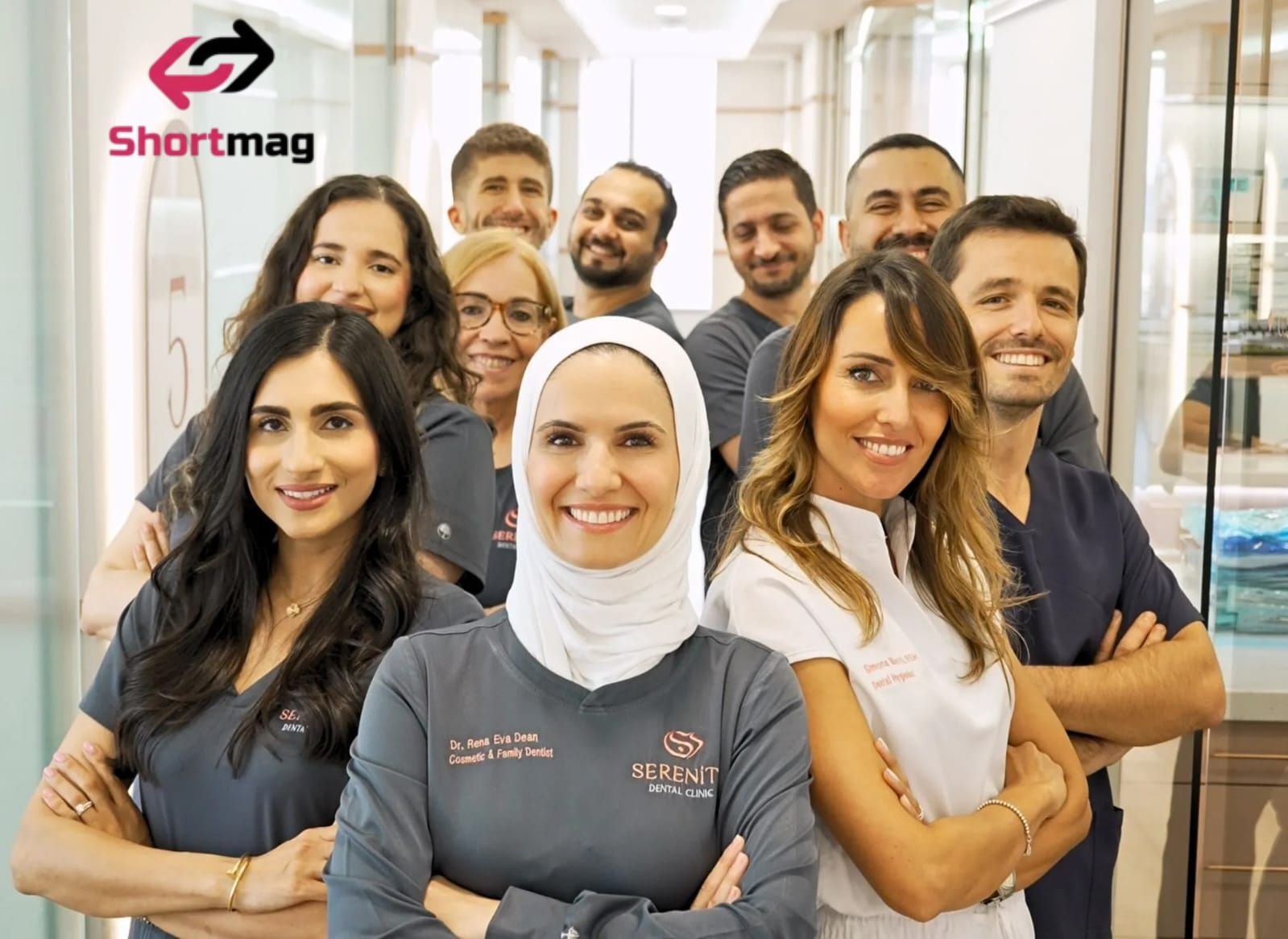
Dental Studio Al Wasl has clinicians working across general dentistry, periodontics, endodontics, orthodontics, prosthodontics and oral surgery, alongside other areas of dental care. This range of professional backgrounds can support cases in which different aspects of oral health need to be considered together.
Multidisciplinary planning does not mean that every patient requires several practitioners. Many dental concerns can be managed through routine care or a single appropriate treatment. The advantage of coordinated assessment becomes particularly relevant when one clinical decision may affect another, such as when gum health, tooth position and restorative requirements must be evaluated before treatment begins.
How Can Personalised Planning Help Preserve Natural Teeth?
Preserving healthy dental structures is an important consideration in contemporary dentistry. Before recommending an intervention, clinicians assess whether the problem can be managed through preventive measures, monitoring or a conservative procedure. The extent of treatment should reflect the extent of the clinical problem, rather than an assumption that more intervention necessarily produces better outcomes.
For example, early signs of tooth wear may prompt an investigation into brushing habits, dietary acidity or teeth grinding. Understanding the contributing factors can help guide preventive recommendations and determine whether restorative treatment is appropriate. Similarly, identifying gum inflammation early may allow attention to focus on plaque control and periodontal health.
Long-term preservation also depends on what happens after treatment. Patients need appropriate advice about daily oral hygiene, follow-up assessments and the care of any existing restorations. A personalised maintenance strategy helps ensure that treatment planning addresses future oral health rather than only the immediate concern.
What Role Does Patient Comfort Play in Dental Treatment Planning?
Dental anxiety can influence whether patients seek care promptly, attend appointments consistently or feel comfortable discussing their concerns. For this reason, a thorough treatment plan should consider the patient’s emotional experience alongside the clinical requirements. Allowing time for questions and explanations can make dental procedures easier to understand and less intimidating.
Different patients may need different forms of support. Some feel reassured by a detailed explanation of each stage, while others benefit from discussing previous uncomfortable experiences or understanding the options available for managing anxiety. These considerations should form part of an individual assessment rather than being treated as separate from dental care.
Dental Studio Al Wasl places emphasis on patient comfort and communication, with sedation options available for selected clinical circumstances when appropriate. Such measures require professional evaluation and are not necessary or suitable for everyone. A patient-centred approach involves identifying individual concerns and responding to them without compromising clinical safety.
Dentist in Umm Suqeim 2: The Value of Careful Planning and Informed Decisions
Choosing dental care involves more than considering the treatment itself. A comprehensive assessment, appropriate diagnostic methods and clear explanations help patients understand their oral health and the reasoning behind proposed interventions. Personalised treatment planning brings these elements together, supporting decisions that consider both present concerns and long-term dental wellbeing.
For people evaluating a dentist in Umm Suqeim 2, Dental Studio Al Wasl illustrates an approach in which clinical assessment, multidisciplinary collaboration and patient communication are central to treatment planning. Rather than viewing dental procedures as isolated interventions, this model places importance on understanding the individual, considering appropriate alternatives and establishing realistic expectations. The underlying principle is that informed, carefully planned care provides a stronger foundation for maintaining oral health over time.